The ITI gives you evidence. Here is how to act on it.
Whether you are a government reformer, a civil society advocate, a donor, a regional body, a journalist, or a private sector actor, the ITI was designed to support your work. Each audience has a different entry point.
Every ITI implementation produces a findings report with specific, actionable recommendations. Results are disaggregated to the level of individual procuring entities, covering typically 75–100% of the infrastructure budget in the study period.
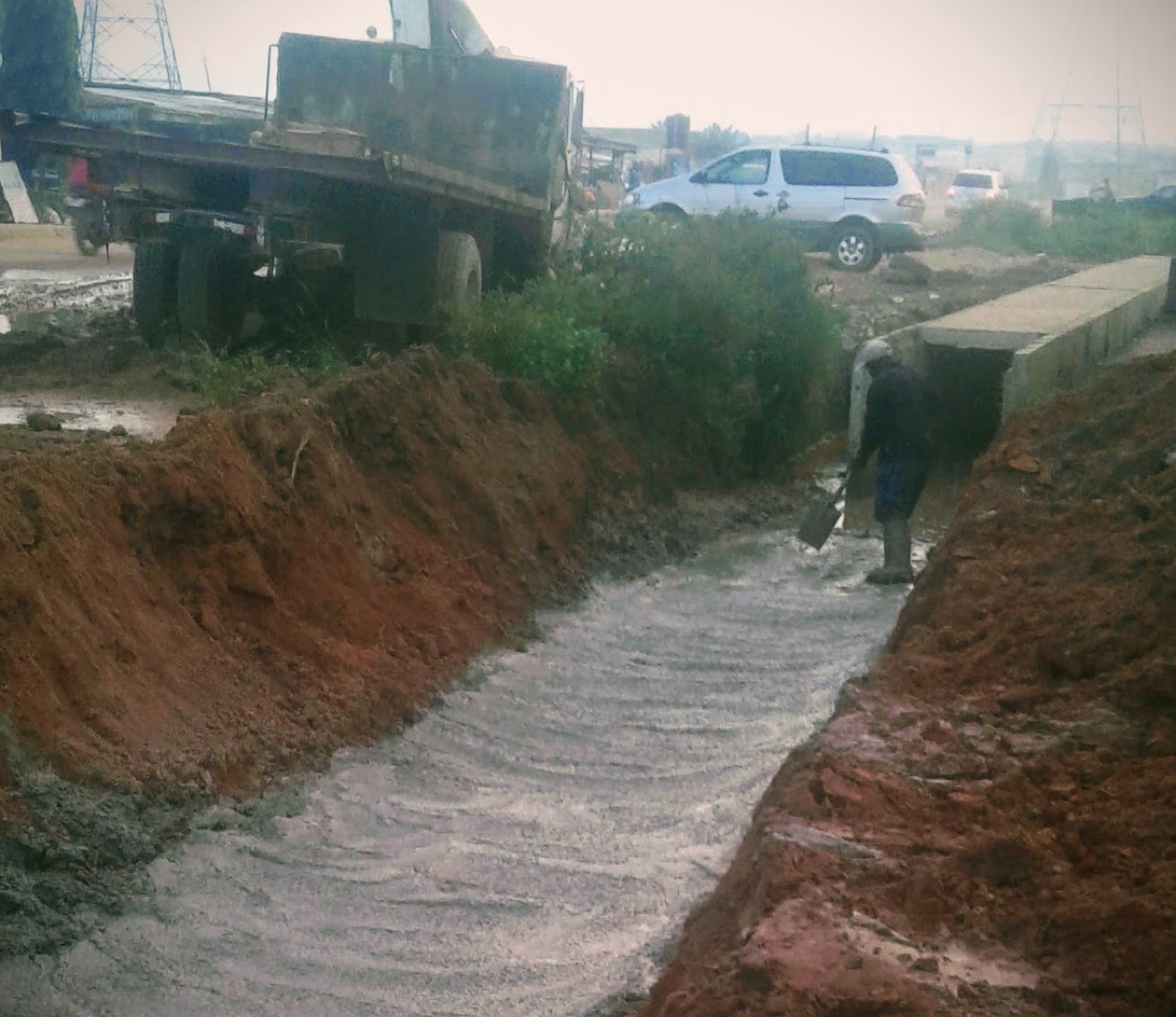
Infrastructure construction context
GOVERNMENT & PROCURING ENTITIES
Choose your next reform priority
Find and compare published results for your country, city or region.
Read the recommendations behind weaker dimensions in the findings report.
Agree an action, a responsible owner and a review date.
The ITI identifies where your country and institution are strong and where gaps exist across all four dimensions. Findings are precise enough to drive internal reform within specific ministries or agencies.
Identify your weakest dimension. That is where reform effort will have the greatest effect.
Benchmark against the global average and peer countries using the comparison tool.
Share results across departments. The ITI shows which entities need support.
Engage CoST to develop an improvement plan based on your findings.
Re-apply the ITI on a biennial basis to track whether reforms are working.
The ITI gives civil society a credible, independently produced evidence base for advocacy. Gaps in citizen participation or data publication are documented and quantifiable, not merely asserted.
Download the country report and identify specific weaknesses validated by multi-stakeholder processes.
Use the comparison tool to show whether your government is above or below the international average.
Engage formally in the ITI multi-stakeholder process: a direct channel for influencing reform.
Cite ITI results in advocacy materials and media outreach. The methodology is internationally recognised.
The ITI provides an objective, replicable measure of how well a country's infrastructure governance system supports transparency and accountability, addressing a specific gap for donors.
Pre-investment: use ITI scores to understand governance risk before committing to programmes.
Programme design: build ITI score improvement as a measurable milestone in results frameworks.
Portfolio monitoring: track ITI scores over time. The biennial cycle is designed for this.
Value for money: use the ITI as a consistent governance diagnostic alongside your existing assessment tools.
The ITI translates complex infrastructure governance into a comparable, trackable score. All data is publicly available, methodology is fully published, and CoST provides briefings for accurate reporting.
Rankings: which countries lead, which lag, and what specific gaps explain the difference?
Change over time: which countries improved most, and what reforms drove the change?
Commitment vs reality: does a government's published data actually meet international standards?
Local impact: individual ministry and agency scores are available for country-level reporting.
For contractors, engineering companies, and private investors, the ITI provides an objective, independently produced measure of how transparent and accountable a country's infrastructure procurement system is before you engage.
Pre-bid due diligence: use ITI scores to assess procurement transparency and integrity risk in a new market.
Compare environments: benchmark countries where you operate or plan to invest against international standards.
Inform ESG and governance reporting: ITI data provides independently verified evidence on infrastructure governance.
Engage with reform: improved transparency reduces the cost and risk of doing business. Use the ITI to support that case.